
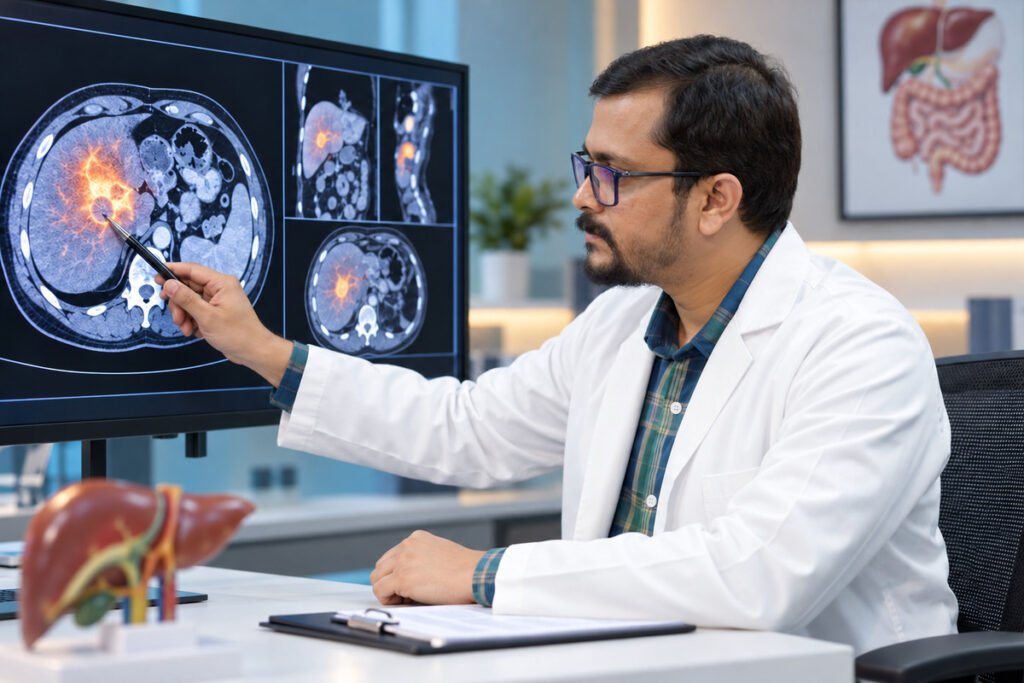
Gastrointestinal oncosurgery involves specialist assessment and surgical treatment of cancers affecting organs such as the stomach, colon and other parts of the digestive system. Surgery is one part of cancer care and is not appropriate for every diagnosis.
Conditions that may need assessment
- Stomach (gastric) cancer
- Colon and rectal cancer
- Selected tumours involving the liver, bile ducts or pancreas
Symptoms to discuss with a doctor
- Unexplained weight loss, ongoing poor appetite or early fullness
- Persistent abdominal discomfort, vomiting or difficulty swallowing
- Blood in stool, persistent change in bowel habits or unexplained anaemia
Important: These symptoms can have many causes. Symptoms alone do not establish a diagnosis.
Diagnosis and investigations
Investigations are selected according to symptoms and examination findings. Not every patient needs every test.
- Clinical assessment and review of previous medical records
- Endoscopy or colonoscopy with biopsy when indicated
- CT, MRI or other staging investigations as clinically appropriate
Treatment options and surgical planning
Treatment may involve surgery, systemic cancer treatment, radiotherapy or a combination decided through multidisciplinary discussion. Whether an open, laparoscopic or other technique is suitable depends on tumour location, stage and overall health.
What to expect at your consultation
Bring relevant test results, imaging, prescriptions and a list of current medicines. The consultation typically includes reviewing symptoms, explaining possible diagnoses, discussing investigations and outlining management options. A surgical decision is individual and is not guaranteed by an appointment.
Frequently asked questions
Does every gastrointestinal cancer require surgery?
No. Treatment depends on cancer type and stage, fitness for surgery, and the multidisciplinary treatment plan.
Can cancer surgery be laparoscopic?
Some carefully selected patients may be suitable for minimally invasive surgery. Not every tumour can be treated this way.
What should I bring to the consultation?
Bring biopsy or pathology reports, endoscopy findings, scans, medication lists and records of earlier treatment.
Book a specialist consultation
If you have persistent symptoms or have been advised to seek surgical review, use the appointment page to request a consultation. Confirm the current chamber schedule before travelling.
Medical information notice: This page offers general education and does not replace examination, medical advice or emergency care.